Emergency Mold Removal in Westmont, CA
Emergency mold removal starts with your water problem. Describe the affected rooms and access when you call 24/7.
- Moisture checked first
- Work scope explained
- Open 24/7 for calls
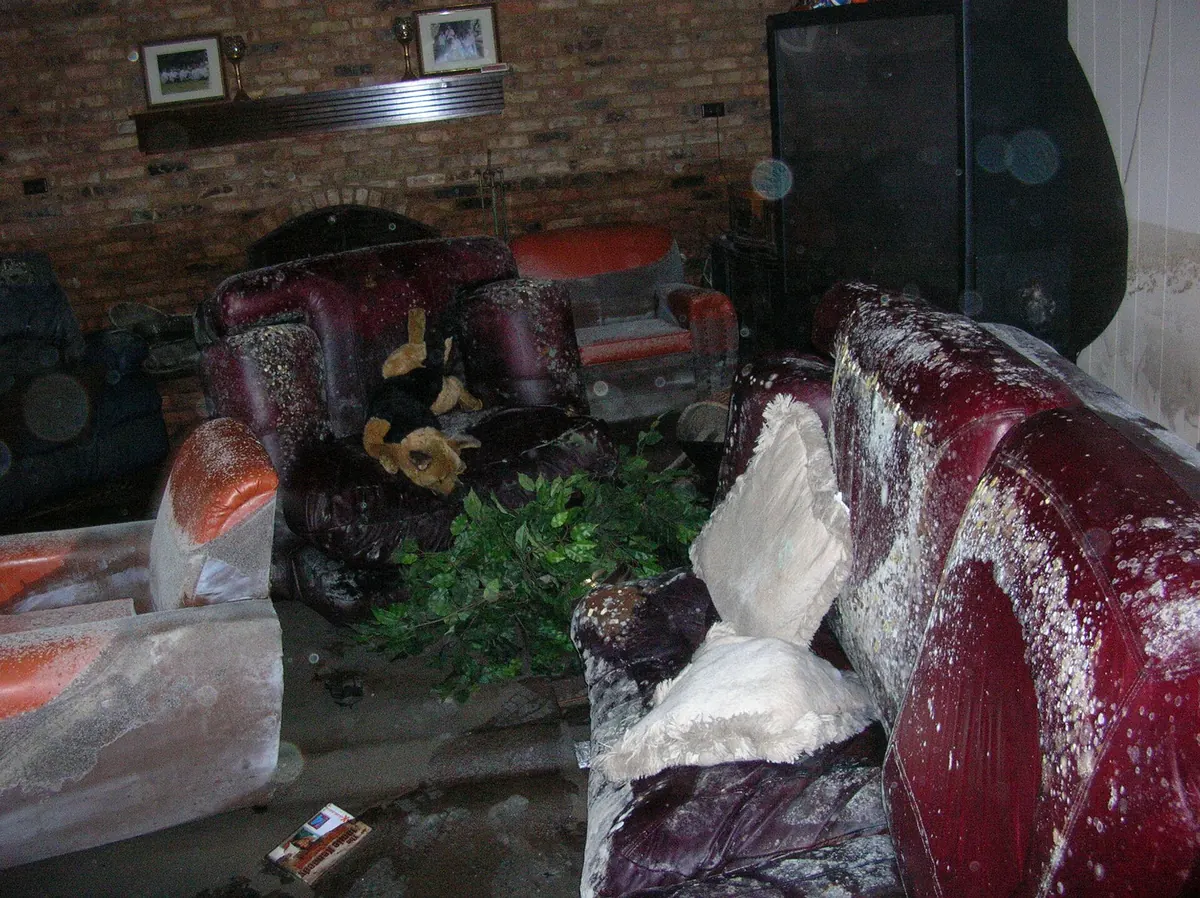
Understanding Emergency Mold Cleanup in Los Angeles County
After flooding, a storm or a burst pipe, emergency mold removal brings controlled cleanup to your property. It includes containment, inspection, drying and cleaning.
Your initial assessment identifies hazards, materials and active water. Emergency extraction may be needed for water that has collected.
You should receive a scope in writing explaining what containment and cleaning involve, plus what to expect from repairs, drying and hidden growth.
- Visible mold growth
- Wet building materials
- Concealed moisture
- Affected belongings

Choosing Emergency Help in Westmont
Emergency Work Authorization
Confirm the business name and exactly which initial services you are authorizing.
Relevant Cleanup Experience
Request references and ask about similar buildings and water sources.
Changes to the Scope
Ask how newly exposed damage will be documented and approved before extra work.
After-Hours Contact
Confirm who updates you when access, equipment or the next visit changes.
Emergency Mold Help in Westmont: When to Seek Assistance
Arrange assessment promptly for incoming water or an area you cannot safely separate from other spaces.
Emergency Water Damage From a Burst Pipe
Give your assessor the locations of wet floors, including downstairs rooms below leaking water.
Emergency Evaluation of Your Flooded Home
Identify the source of water and any entry into equipment or wall cavities.
Emergency Cleanup After Storm Damage
Note rain entering and any roof openings. Ask who can arrange temporary weather protection.
Checking Hidden Growth With an Emergency Mold Inspection
Look behind the damaged surface if a wall feels soft or a baseboard has lifted.
Preparing for an Emergency Mold Visit in Los Angeles County
Address your water issue without disturbing materials that have mold.
Call (844) 352-3560- Stop active water safely. Close an accessible valve if safe. Keep away from electrical hazards, ceiling damage and floors that are wet.
- Limit access. Do not let pets or children enter the affected area.
- Leave growth undisturbed. Leave moldy walls unopened, unscraped and unsanded because disturbing them can disperse mold spores and dust.
- Stop affected HVAC use. EPA cautions you against operating equipment that could harbor mold or distribute mold throughout the building.
- Avoid improvised airflow. Avoid moving affected belongings through clean spaces, and never point fans across growth.
Emergency Mold Removal Cost for Westmont, CA Properties
Use national mold remediation ranges as a comparison, not a separate emergency rate. Ask whether after-hours service, water extraction or repairs are additional.
Typical national range, average $3,500
$1,500 to $9,000 per jobSource: Fixr, Mold Remediation Cost (checked 2026-10-23)Typical range, average $2,300
$1,200 to $3,750 per jobSource: This Old House, Mold Remediation Cost (cost data credited to Angi) (checked 2026-10-23)Professional pricing when areas exceed about 10 square feet
$10 to $30 per square footSource: Fixr, Mold Remediation Cost (checked 2026-10-23)Reasons Your Cleanup Cost May Vary
- Material removal and disposal
- Testing and rebuilding exclusions
- Cost per square foot plus the area measured
- Access and containment equipment
- Emergency water extraction
Cost Comparisons Using National Ranges
Published national cost guides are the source of these ranges, rather than an inspection of your property. Before work begins, you should get an explanation of the property price determined through an on-site assessment.
Ask about cost: (844) 352-3560Emergency Mold Cleanup in California: Insurance Questions
Your policy and the cause of damage determine coverage. Insurers may treat sudden damage differently from ongoing seepage, neglected upkeep or humidity. A mold sublimit may apply.
Limits and Exclusions
Find out the deductible, exclusions and mold sublimit applicable to the cause of your loss.
Property Disclosures
California's Toxic Mold Protection Act includes a landlord written-disclosure section (Health and Safety Code 26147). By its own wording it applies only after the state adopts mold exposure standards, and the state health department has said it could not set them. Save paperwork on completed work to answer later property questions.
Emergency Claim Reporting
Ask your insurer how to report urgent damage and which mitigation expenses need authorization.
Rental Payment Questions
Under California's housing law, visible mold found by a health officer or code enforcement officer can make a rental substandard. Renters can contact their local health or code enforcement department to ask for an inspection. Establish who gives work authorization before committing to charges.
Your Guide to Emergency Mold Remediation Steps in Greater Los Angeles
The mold removal process uses mold remediation steps based on affected materials and moisture readings.
Emergency Assessment
A moisture meter maps wet areas. A thermal imaging camera can guide checks but cannot confirm mold.
Containment and Work-Zone Setup
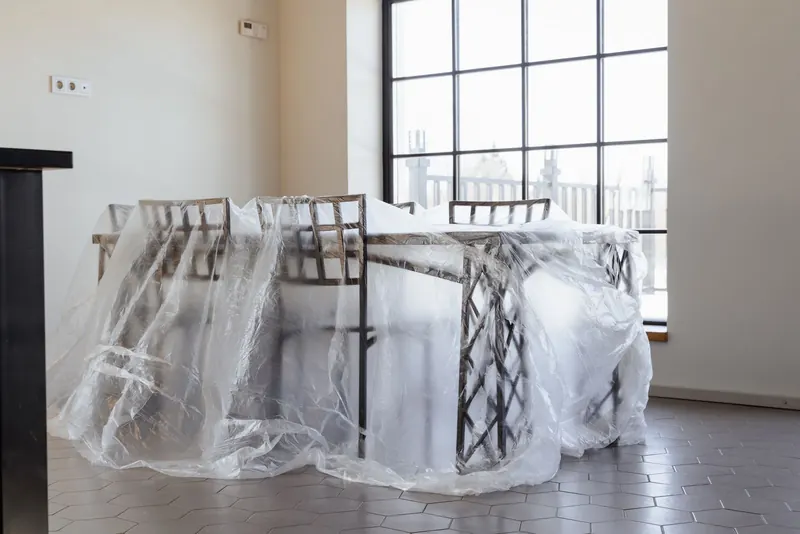
The remediation protocol specifies poly sheeting, a containment barrier, negative air pressure and protective equipment as needed.
HEPA Filtration
Particle control during cleanup crew work comes from a HEPA air scrubber.
Demolition of Damaged Materials
The assessed scope sets drywall removal limits and waste routes before work begins.
Surface Cleaning and Drying
Chosen cleaning methods might use a HEPA vacuum. Your assessed moisture control plan guides air movers and drying equipment.
Final Cleaning and Verification
Keep containment in place until cleanliness and moisture are checked. When clearance testing is specified, have an independent assessor perform the checks.
Prepare for Your Call
Stay outside damaged rooms as you collect these details.
- When water appeared, its suspected source and whether it is still entering.
- Identify affected rooms and have pictures taken safely available.
- Access details, including keys, stairs and building management contacts.
- Before approving work, ask for a written scope of work with separate details for the initial visit and later removal.

Discuss Emergency Mold Removal in Westmont
Call any hour. Talk with an emergency mold removal specialist about what you are seeing and the steps ahead.
Understanding Emergency Mold Cleanup Risks in Greater Los Angeles
Hidden moisture, particles released when you disturb materials and contaminated water requiring added care are cleanup risks.
Emergency Drying Priorities
Dry water-damaged items along with affected areas within 24 to 48 hours to prevent mold growth, EPA advises.
Contaminated Water
Seek professional assistance experienced in sewage or contaminated water damage, as EPA advises.
People at Greater Risk
CDC notes increased risk for people whose immune systems are weak or who have lung disease or asthma. They should not enter areas undergoing mold cleanup.
Can you clean it yourself? Homeowners can often clean areas under about 10 square feet, according to EPA. Have a professional assess larger areas, HVAC growth or substantial water damage.
Emergency Mold Damage in Los Angeles County: Materials to Assess
Hard surfaces may remain after cleaning. Porous materials with embedded growth often need removal.
Non-Porous Surfaces
- You may be able to clean metal, tile and glass
- Look at underlying layers and joints below finishes
Porous Materials
- Wood framing in sound condition may allow cleaning and drying
- Hardness does not make wood a nonporous material
- Consider disposal for damaged drywall, ceiling tiles and damaged carpet or insulation
Belongings
- Evaluate building materials and fabrics in separate assessments
- Discuss possible options for your photographs and documents
Which Factors Set Emergency Mold Cleanup Timing in Los Angeles County?
Time needed for your removal, clearance, repairs and drying shapes the schedule. Addressing water may come first.
- Access and source repair: Access timing for work areas follows roof access, the condition of utilities and repair scheduling.
- Drying progress: Material thickness and hidden layers, together with repeat moisture readings, establish when to stop drying equipment.
- Verification and rebuilding: Address conditions left unresolved in post-remediation verification before you close walls or restore finishes.
After Cleanup: Odor and Indoor Air Quality
Your musty odor may indicate wet material or mold out of sight. Smell cannot tell you its size, and fragrance leaves the cause in place.
Keep your humidity below 60 percent as EPA recommends; ideally, aim for 30 to 50 percent. You still need any roof, exterior, pipe or drain repair even with a dehumidifier.

Scope and Repair Planning
Use the full emergency mold removal guide to prepare questions about the assessment, scope and next steps for your property.
Read the emergency mold removal guidePlanning Emergency Mold Removal in Westmont
Your property condition cannot be inferred from housing figures that describe the surrounding area. Plan access, moisture repairs and records around what an assessment finds.
Census ACS 2024 5-year (tables B01003, B25003, B25035, B09021 and B25024). Area estimates do not establish conditions at an individual property.
In Westmont, renters occupy 72 percent of occupied housing units. For your property, record the rooms affected and ask who can authorize access before work begins.
The median year built for housing units in Westmont is 1956. This does not establish your building age or condition. Confirm who can approve opening affected materials and how you will receive the findings and next steps.
Single-family units make up 53 percent of all housing units in Westmont. Before work starts, discuss access to the affected room and any adjoining space that needs inspection.
In Westmont, 27 percent of residents aged 65 or older live alone. Record visible damage, note when you first saw it and share any available leak repair records.
Before Your Property Assessment
- Visible mold shows where to begin, but a musty odor or damp material in the next room can point to growth hidden behind finished surfaces.
- Keep dated photos of the affected area and a record of the repair and cleanup scope.
- For your property, record the rooms affected and ask who can authorize access before work begins.
Local Emergency Mold Removal Information for Westmont
During your call, ask whether mold cleanup is available in surrounding communities and ZIP codes.
Emergency Mold Removal in Locations Near Westmont
ZIP codes
What People Ask About Emergency Mold Removal in Westmont
What records do you need to retain when urgent work ends?
Preserve the scope you agreed to, authorized changes, photos with dates, moisture readings and invoices itemizing charges. Request an inventory of disposed items along with any inspection or clearance report. Store these with your claim correspondence so you can distinguish completed removal from repairs still pending and answer later questions about the work.
Will removal in Westmont begin right away when you make a 24/7 call?
You may phone whenever needed, while still confirming what can happen on the first visit. You may need to arrange removal, assessment and water control separately. Before you book, clarify after-hours and weekend service options, required access and applicable charges. A call alone sets neither arrival nor completion timing.
Can you live in the home while the work continues?
Ask if bedrooms, exits and bathrooms are accessible without your passing through the work area. Discuss shared ventilation and any planned utility shutoffs. The assessor should describe arrangements for occupying your particular property, including when to reconsider them. A closed door or containment plan alone is not a safety promise.
Are leak repairs and rebuilding part of cleanup?
Removal should not be assumed to cover painting, plumbing, roofing or replacement drywall. Have repair duties identified individually, including the person responsible for scheduling the trade that follows. Before returning your rooms to normal use, confirm what needs completion and whether contents cleaning and disposal form part of the work.
How should you respond to urgent damage as a renter in Los Angeles County?
Promptly tell your landlord or property manager about the problem through your lease emergency contact. Send a written follow-up naming affected rooms and stating when you first noticed the issue. Keep access arrangements along with your notices. Alert the building manager if another unit or a shared wall could be involved.
Do you need mold testing before urgent cleanup?
When growth is visible, EPA notes that you often need no air sampling. Before including a test in urgent work, ask which decision the result could alter. You may get a specific unresolved question answered through sampling, but growth removal and leak repair remain separate. First, agree on the purpose.
Questions About Emergency Mold Removal in Los Angeles County?
For calm and useful guidance about emergency mold removal, you can reach someone by phone 24 hours a day.